
Your first week of marketing, without the overwhelm.
A simple plan to turn your brand into a week of ads, social posts, emails and blog content.

Start with one clear goal
Before choosing channels, decide what you want this week to achieve. That might be introducing a new product, bringing visitors to your website or reconnecting with past customers. One goal makes it easier to decide what belongs in your plan. Write it down in a single sentence, such as "Get ten people to book a free consultation", so you can check every piece of content against it. If an idea doesn't move you closer to that goal, save it for another week.
Know who you are talking to
Picture one real customer: what they care about, what slows them down and where they spend time online. A florist reaching busy parents needs different words than a software tool for accountants. Keeping that person in mind helps you choose the right tone, the right examples and the right channels, and it stops your message from becoming vague in an attempt to please everyone.
Build around one useful idea
Choose a question your customers often ask. Answer it in a short blog post, turn the main point into a social post and share the practical takeaway in an email. Keep each version useful on its own instead of copying the same text everywhere. One strong idea, adapted for each place, is easier to produce and more memorable than five unrelated posts.
Map out the week
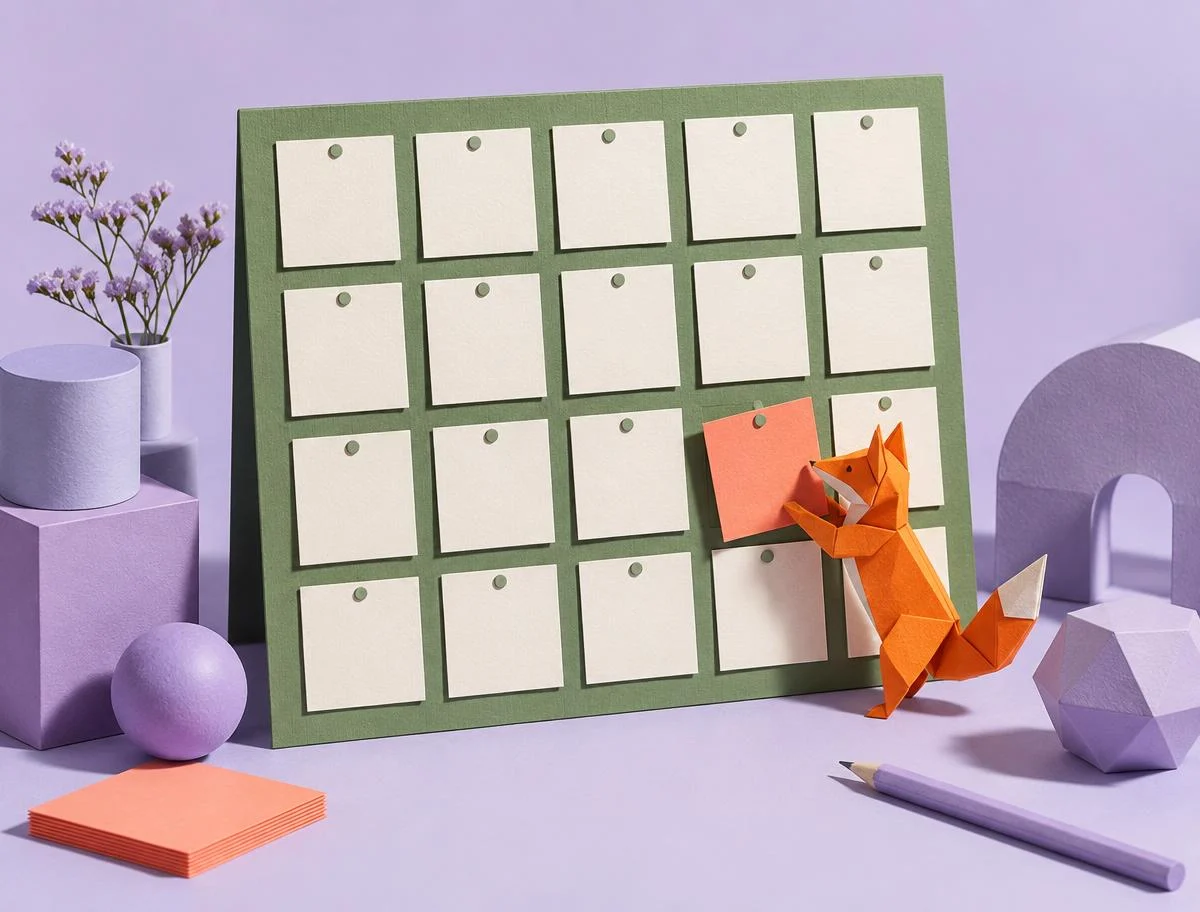
Spread your content across the week so nothing feels rushed. For example: publish the blog post on Monday, share a social post pointing to it on Tuesday, send the email on Wednesday, post a behind-the-scenes photo on Thursday and run a small ad to your best-performing post on Friday. A simple plan like this gives you a steady presence without needing to create something new every day.
Prepare everything in one sitting
Switching between tasks is where most time disappears. Block out a couple of hours to write, gather photos and schedule posts in one go. Batching your work means the rest of the week is free for running your business, replying to customers and noticing what's working, instead of scrambling to post something at the last minute.
Keep the bar realistic
Your first week doesn't need to be perfect. Clear, honest and helpful beats polished and late. Use photos you already have, write the way you speak to customers and focus on getting the basics out. You can refine your style over time, but only once you've started publishing and have something to learn from.
Leave space to learn
Publish a manageable amount, then review what people actually do. Look at replies, clicks and meaningful enquiries rather than likes alone. Use what you learn to improve next week's plan, one change at a time. At the end of the week, note what worked, what didn't and one thing to try next. Small, steady improvements add up faster than you might expect.
Related stories
 Marketing4 min read
One good idea. Four ways to share it.
Get more from your content by adapting it for every channel, not just reposting it.
 Marketing4 min read
Less guessing. More learning.
The simple signals that help you decide what to keep, change and try next.
 Emails4 min read
Write emails people want to open.
Less noise, more value. A straightforward approach to your next customer email.